14 Youth Sports Fundraising Ideas Ranked by Profit and Effort
Fourteen youth sports fundraising ideas ranked by profit and volunteer effort, sized for cheer squads, little league, marching band, and booster clubs.
Team fundraising has a constraint that school and nonprofit fundraising doesn’t: your families already paid to be here. Registration, uniforms, tournament fees, gas money to a Saturday two hours away. Whatever you run next has to raise money from somewhere other than their wallets.
For most youth sports programs the highest-return fundraisers are local business sponsorship, a community duck race, and a sponsor-a-player letter campaign. Banner and program-ad sponsorship typically nets $2,000 to $15,000 for a few dozen volunteer hours, because there’s no cost of goods to give away. Car washes and candy sales sit at the bottom: twelve kids and six parents working a Saturday is 108 hours of labor for about $900, roughly $8 an hour.
Why is youth sports fundraising different from school fundraising?
Four pressures make it its own problem, and most generic fundraising advice ignores all four.
Your volunteer pool is the roster. A PTA at a 500-student school can go find new parents. A 12U travel team has twelve families, three of whom travel for work, so the entire labor force fits in a minivan.
Families are already tapped. They’ve written checks for registration, a uniform package, and two tournaments. Asking them for a fifth thing feels like a fee with a bake sale attached, and they know it.
Seasons are short. A 10-week spring calendar leaves no room for a fundraiser with a four-month runway unless you start planning in the fall, which almost nobody does.
And it has to be fair. One kid’s grandmother buys forty discount cards, the kid two lockers down sells none, and by August that’s a parking lot conversation nobody enjoys. Any fundraiser that can’t be split evenly, or tracked cleanly, creates a problem bigger than the money it raises.
What are the best youth sports fundraising ideas, ranked?
Sponsorship-driven fundraisers beat product-driven ones nearly every time, because a banner costs you a print file and a candy bar costs you a candy bar.
| # | Fundraiser | Typical net | Upfront cost | Volunteer load | Works with a 12-kid roster? | Best fit |
|---|---|---|---|---|---|---|
| 1 | Banner and program-ad sponsorship | $2,000–$15,000 | Printing only | Low, 10–25 hrs | Yes | Any team with a home field or gym |
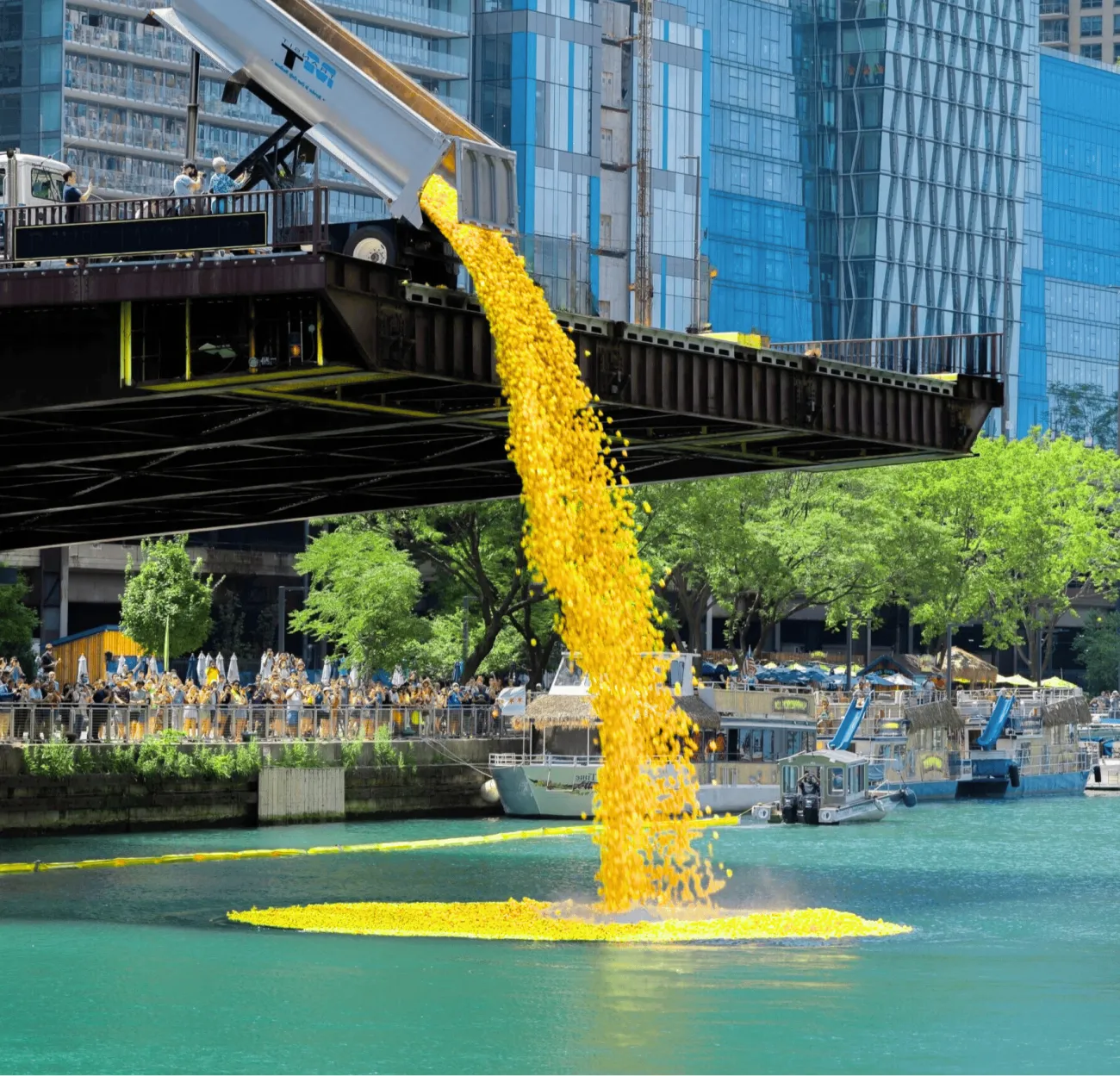
| 2 | Duck race | $20,000+ gross year one, less a flat package starting under $9,000 | The package, often sponsor-offset | High, 150–400 hrs | No, needs a league or program | Booster clubs, leagues, band |
| 3 | Sponsor-a-player letter campaign | $3,000–$20,000 | Postage and stamps | Low, 2–4 hrs per family | Yes | Travel teams, cheer, wrestling |
| 4 | Discount card sales | $2,000–$10,000 | $3–$5 per card | Medium, 40–70 hrs | Yes | Little league, football |
| 5 | A-thon (swim, lift, free throw, jog) | $3,000–$25,000 | Under $500 | Medium, 40–80 hrs | Yes | Swim, wrestling, basketball |
| 6 | Restaurant or spirit night | $150–$700 per night | $0 | Very low, 3–5 hrs | Yes | Everyone |
| 7 | Concession stand | $3,000–$20,000 per season | Inventory, permit | Very high, all season | No | Boosters with a facility |
| 8 | Tournament or invitational hosting | $5,000–$40,000 | Field rental, officials | Very high, 200–400 hrs | No | Soccer clubs, big leagues |
| 9 | Youth clinic or skills camp | $1,500–$8,000 | Insurance, facility | Medium, 30–60 hrs | Yes | High school teams with feeders |
| 10 | Mattress sale | $3,000–$10,000 | $0 | Medium, one weekend | No, needs big reach | Marching band, large programs |
| 11 | Spirit wear and team apparel | $500–$4,000 | Inventory risk | Medium, 40–80 hrs | Yes | Cheer, band |
| 12 | Golf tournament | $5,000–$25,000 | $15,000–$30,000 | Very high, 200–400 hrs | No | Established booster clubs |
| 13 | Candy, cookie dough, catalog | $1,000–$6,000 | $0 | Medium, high nag factor | Yes | Last resort |
| 14 | Car wash | $300–$1,200 | Supplies | High per dollar | Yes | Team bonding, not budget |
Ranges assume a single team or a small program, not a 40-team league. Run your own numbers through the same columns.
Row two is priced differently from the other thirteen, so it’s printed differently. A duck race carries a flat vendor package instead of a percentage cut, which puts gross and cost both on the table: $20,000 or more in a typical first year, less a package starting under $9,000. It’s also the heaviest volunteer lift in the top five, which is exactly why the roster column says no.
The car wash line is worth staring at. Twelve kids plus six parents for six hours is 108 hours of labor. At $900 net, a good day, that’s $8.33 per hour. The same six hours spent by two parents visiting local businesses with a banner sponsorship sheet regularly beats it by an order of magnitude, and nobody goes home wet.
How do you raise money when families already paid registration?
Sell to businesses instead of to parents, and give parents a way to raise money by asking their networks rather than by opening their own wallets again.
That’s the trick, and it’s why the top of the table looks the way it does. A banner sponsorship, a program ad, a jersey patch, an outfield sign: local businesses buy these because they want their name in front of the families who show up every Saturday. Nobody on your roster pays a dime. A sponsor-a-player letter does the same thing socially. Each family writes ten notes to grandparents, neighbors, and the guy dad works with, and the money arrives from outside the team.
Product sales do the opposite. When a kid sells $200 of cookie dough, a large share of that typically comes from families already inside your program, and the vendor keeps most of the rest. You converted your own community’s money into a smaller pile of your own community’s money.
If your program is big enough to run a real community event, what you can actually offer sponsors is the most valuable page your booster club will write all year.
Why does team-versus-team competition raise more than a flat ask?
Because kids and parents will do for a leaderboard what they will not do for a goal thermometer. Competition is the one fundraising mechanic that youth sports has a structural advantage in, and most programs never use it.
Setup is simple. Split your program into natural units, then post standings weekly:
- Cheer: varsity versus JV versus the youth squads
- Marching band: by section, and the drumline will not lose to the flutes
- Little league: by team, with the winning team’s coach taking a pie to the face
- Swim: by training group
- Travel soccer: by age bracket
A duck race runs well on this structure, since every adoption can be credited to whichever squad sent the supporter, and races with more than 10 teams sold 2.3x more ducks in our data. Ask your provider whether the adoption site can attribute adoptions by team before you build a season around it. Then hand each unit a link, put the standings in the group chat every Monday, and let it run.
Choosing the right unit matters more than the prize. Twelve girls will hustle for their squad in a way they will not hustle for the general fund.
What works for cheer, marching band, little league, swim, and wrestling?
Roster size and audience size decide it, so the right answer really does change by sport.
Cheer squad fundraising ideas
Small squads, high spirit, parents who are already deep in it. A competitive squad runs 12 to 20 athletes, and the money goes to choreography, music editing, summer camp, competition entry fees, and a travel weekend, most of it committed before the first football game in August. Sponsor-a-player letters and spirit wear work because both scale down to a 14-person roster and neither needs a facility. Restaurant nights fill the gaps between competitions for a few hundred dollars a pop. Anything demanding 200 volunteer hours doesn’t fit a squad this size, which rules out concessions and tournament hosting however good their margins look. Programs running several squads should look hard at team-versus-team fundraising, since varsity, JV, and youth chasing one leaderboard reliably beats a single flat ask.
Little league fundraising ideas
The strongest banner sponsorship market in youth sports, full stop. An outfield fence, a snack shack, and a printed program is three ad placements before you’ve asked anyone for a favor, and the tire shop that’s had the same left-field sign since 2011 will renew over the phone in March. League-wide events like a duck race work here too, because a league is a real community rather than twelve kids.
Marching band fundraising ideas
Big rosters, big equipment budgets, big community visibility. Mattress sales and a-thons are band staples for a reason: both scale with roster size, and roster size is the one thing a band has in surplus. Bands are also the single best fit for section-versus-section competition, and because they sit inside a school, the profit-per-volunteer-hour ranking we built for PTAs applies almost directly.
Travel soccer fundraising ideas
Families are already spending heavily, so avoid anything that asks them again. A single travel squad is 14 to 18 players whose parents have already covered club dues, a uniform kit, tournament entry fees, and hotel nights across a fall and a spring season. That’s why catalog sales land so badly here: you’re selling cookie dough to the same sixteen households that just paid for everything on that list. Club-level sponsorship carries most programs instead. A club with 20 teams can sell field banners, a kit sponsor, and a business partner program that no individual team could put together. Tournament hosting is the other one that works, at a genuine $5,000 to $40,000, though it costs 200 to 400 volunteer hours and needs fields you control. At club level a duck race fits. At single-team level it doesn’t.
Swim team fundraising ideas
The swim-a-thon is genuinely one of the best fundraisers in youth sports: pledges per lap, kids do the work, no product, no vendor cut. Sixty swimmers each collecting $100 in pledges is $6,000 against under $500 of setup, which is how a-thons earn their $3,000 to $25,000 range on the table above. Club teams are funding pool rental, meet entry fees, officials, and coaching stipends across a season that often runs September into March, so the revenue has to arrive in pieces, not in one autumn push. Split the roster by training group and let the senior swimmers race the age-groupers on totals. A club with a summer league behind it has enough families for a community event. A 25-swimmer high school team doesn’t.
Wrestling team fundraising ideas
Small teams, tight communities, tough kids who’ll do a lift-a-thon. A room is usually 20 to 30 wrestlers, and the budget covers singlets, headgear, tournament entry fees, weekend travel to duals, and the mat replacement that ambushes every program eventually. Sponsor-a-player letters and mat-side banners are the reliable pair, and both cost you stamps and a print file instead of inventory. A lift-a-thon or takedown marathon fits the culture of the sport and sits in the same $3,000 to $25,000 a-thon range as anything else on the table. One thing wrestling has that most small teams don’t: a home dual or a youth tournament puts hundreds of families in your gym for a full Saturday, which makes a concession stand and a spirit wear table worth more here than the roster size suggests.
Booster club fundraising ideas
If you’re funding an entire athletic department, you’re playing a different game. Concessions, a signature community event, and a business partner program should be your three legs. That’s also where a duck race stops being ambitious and starts being appropriate. Our fundraiser comparison guide scores the bigger formats side by side if you’re weighing more than one.
When is a duck race the wrong call for your team?
If you’re one team of twelve kids with a ten-week season, don’t run a duck race. Run sponsor-a-player letters instead.
A duck race is a community event. It needs an audience beyond the roster, roughly 4 to 6 months of runway, and one parent who’ll own sponsor outreach. A single travel squad has none of those things reliably. Twelve families writing ten letters each is 120 asks to people who already adore those specific kids, at almost no cost and no timeline risk, and for that team 120 letters will out-raise any event on this page.
Where a duck race starts to make sense is one level up. A whole little league. A band program. A swim club. A booster club funding facilities. At that scale you have the audience, and the numbers change shape: across our race platform in 2025 the average adoption transaction was $50, about ten ducks per supporter, so 400 supporters is $20,000 in adoptions before sponsorship, and what a duck race actually raises walks through the rest of the arithmetic. That’s a facility project, not a uniform order.
The same size test applies to the golf tournament most booster clubs eventually consider. A field of 100 to 144 players needs a course, a committee, and enough business relationships to sell foursomes at $1,000 a piece. That’s a booster club with a decade of local contacts, not a first-year travel team.
Frequently asked questions
What is the best fundraiser for a youth sports team?
For a single team of 10 to 20 kids, a sponsor-a-player letter campaign plus local banner sponsorship raises the most for the least effort, typically $3,000 to $20,000 combined. Neither one asks your families for another check. For a full league, band, or booster club, a community event raises far more: tournament hosting typically nets $5,000 to $40,000, and a first-year duck race grosses $20,000 or more before its package cost comes out.
How do you fundraise when families already paid registration fees?
Sell to local businesses rather than to parents. Banner sponsorships, program ads, jersey patches, and business partner programs cost your families nothing and cost your program a print file. Sponsor-a-player letters work the same way from the other direction: each family writes to grandparents, neighbors, and the guy dad works with, and the money arrives from outside the roster.
What are good fundraising ideas for a cheer squad?
Sponsor-a-player letters, spirit wear, restaurant nights, and squad-versus-squad competitions fit cheer best, because they scale down to a 14-person roster and don’t need 200 volunteer hours or a facility. Programs with multiple squads should add a community event and let varsity, JV, and youth chase one leaderboard, which reliably beats a single flat ask to the same parents.
How much can a marching band raise with one fundraiser?
A single band event runs from a few thousand dollars for a spirit night to $10,000 or more for a mattress sale, an a-thon, or a community event, depending on program size and how visible the band is around town. Bands do unusually well with section-versus-section competition, because a leaderboard turns 120 students into 120 fundraisers and the drumline will not lose to the flutes.
When should a booster club run a duck race instead of a golf tournament?
Run a duck race when you want the town, and a golf tournament when your strength is a handful of members with corporate foursomes to sell. Golf turns a small number of business relationships into large ticket sales, and the field caps at roughly 100 to 144 players. A duck race turns a large number of $50 supporters into revenue, so it grows with your audience instead of your rolodex.
Fundraise at the size you actually are
Pick the fundraiser that fits your roster, not the one that worked for a program four times bigger. For most single teams that’s letters and banners, which happen to be the highest per-hour return on the whole table.
Most teams don’t have a fundraising problem. They have fourteen families and a list of ideas built for four hundred.