18 Fundraising Ideas Ranked by How Much They Actually Raise
A ranked list of 18 fundraisers by what your group actually keeps. Typical net range, upfront cost, and volunteer load for every single one.

Most fundraising lists rank ideas by how fun they sound. This one ranks them by what your organization keeps after the bills, divided by the hours it took.
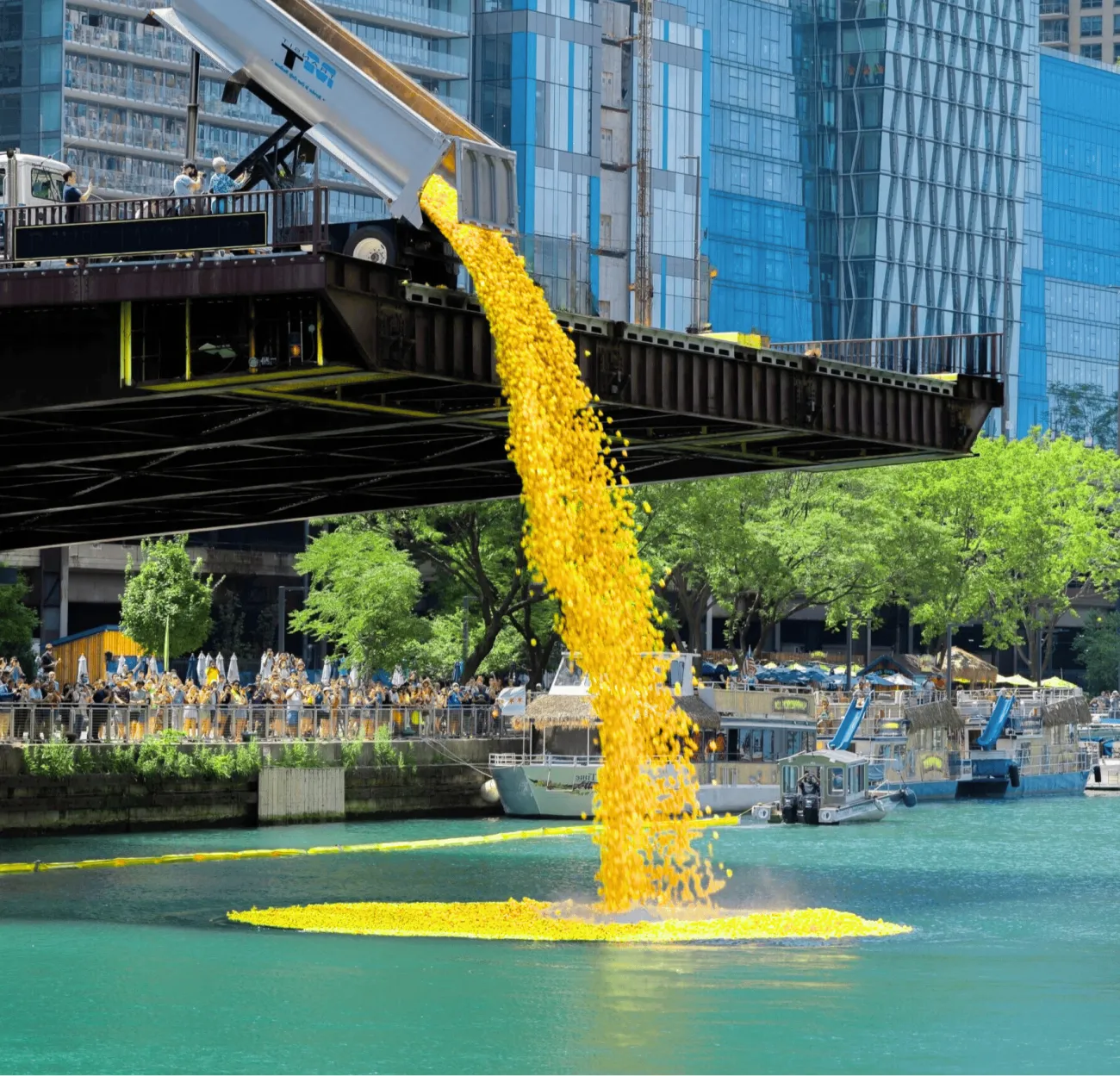
Ranked on net return against effort and risk, recurring monthly giving and corporate sponsorship beat every one-off event. The strongest single event is a duck race: a typical first year grosses $20,000 or more against a flat package under $9,000, and it grows year over year. Galas gross more, but they commit $20,000 to $60,000 before a guest arrives. Bake sales and car washes sit at the bottom, rarely clearing $1,500.
How is this list ranked?
Three things at once: realistic net revenue, total effort in staff and volunteer hours, and risk if the day goes badly. It isn’t a formula. Where the three disagree we made a call, and two are close enough to flag: a gala outranks a matching-gift campaign despite taking many times the hours, because its ceiling is roughly three times higher, and auctions outrank golf for the same reason. Weight hours more heavily and you’d swap both pairs.
Net is the part most lists skip. A gala that grosses $120,000 and spends $55,000 on the ballroom nets $65,000. A car wash that grosses $900 nets $900. Gross flatters the wrong events.
Every figure below is a typical range for a mid-size organization in a mid-size market, not a guarantee. Plug in your own quotes. And the top of this ranking is not a clever new event. It’s a recurring-gift form and a sponsorship deck.
What are the 18 fundraisers, ranked 1 to 18?
| # | Fundraiser | Typical net | Upfront cost | Volunteer load |
|---|---|---|---|---|
| 1 | Monthly giving program | $5,000-$100,000+ per year, compounding | Near zero | 20-60 hrs |
| 2 | Corporate sponsorship drive | $5,000-$150,000+ | A good deck and printing | 60-150 hrs |
| 3 | Duck race | $20,000+ gross year one, less a flat package | Packages start under $9,000, usually sponsor-covered | 150-400 hrs |
| 4 | Gala / benefit dinner | $15,000-$150,000+ | $20,000-$60,000+ | 300-800 hrs |
| 5 | Matching-gift campaign | $2,000-$50,000 | Near zero | 20-50 hrs |
| 6 | Silent and live auctions | $10,000-$80,000 | Low cash, heavy procurement | 200-500 hrs |
| 7 | Golf tournament | $10,000-$50,000 | $15,000-$30,000 | 100-250 hrs |
| 8 | 5K / walk-a-thon | $5,000-$40,000 | $3,000-$10,000 | 100-300 hrs |
| 9 | Benefit concert | $3,000-$40,000 | $5,000-$30,000 | 100-250 hrs |
| 10 | Crowdfunding / peer-to-peer | $2,000-$30,000 | Platform fees only | 40-120 hrs |
| 11 | Trivia night | $1,500-$15,000 | $500-$3,000 | 40-100 hrs |
| 12 | Text-to-give | $1,000-$20,000 | Platform fee | 10-30 hrs |
| 13 | Carnival / community festival | $3,000-$30,000 | $5,000-$25,000 | 300-800 hrs |
| 14 | Product fundraiser | $2,000-$15,000 | Usually consignment | 100-300 hrs |
| 15 | Restaurant night | $200-$1,500 | Zero | 3-6 hrs |
| 16 | Garage sale | $500-$5,000 | Near zero | 60-150 hrs |
| 17 | Car wash | $300-$1,500 | Under $200 | 40-80 hrs |
| 18 | Bake sale | $150-$800 | Donated ingredients | 30-60 hrs |
Do the subtraction on row three yourself. Every other line here is already netted, after a vendor’s percentage or a per-plate charge or the bar’s cut. A duck race is priced as a flat package instead, so the row carries a gross figure with the package price sitting next to it. It’s also the only row on this page where you know your entire cost before you sell the first thing.
Which fundraisers net the most money?
1. Monthly giving program
Nothing else here compounds. Fifty donors at $25 a month is $15,000 a year that shows up without an event, and next year it’s that plus whoever you added. The only real barrier is being unable to process recurring payments. Run one.
2. Corporate sponsorship drive
Sponsorship is the highest-margin money in the sector, because what you deliver is visibility rather than goods. A standalone drive is much harder than one attached to an event people will actually attend, though, since sponsors are buying an audience and you have to be able to name yours. Start with what you can offer sponsors.
3. Duck race
Supporters adopt numbered rubber ducks at $5 each online, then the flock goes down a waterway on race day. Our race platform’s 2025 adoption averaged $50, about ten ducks a supporter, so a $50,000 race needs roughly 1,000 people rather than 10,000. Teams are the lever: races with more than 10 fundraising teams sold 2.3x more ducks in our data. A typical first year grosses $20,000 or more and climbs from there, on a flat package rather than a share of what you raise. Sponsors and promotion both want months, though, so a deadline inside the quarter rules it out.
4. Gala / benefit dinner
One ballroom, 200 guests, a paddle raise, and the highest gross of any single evening here. It carries the highest floor too, because the per-plate count gets committed weeks ahead and an empty seat still costs you $85. Without a wealthy donor base and a board that fills tables, don’t.
5. Matching-gift campaign
Many employers match employee gifts and most nonprofits never ask. A campaign is three emails and a link to a searchable database, and every matched dollar is free. As a standalone plan it’s guesswork, since the ceiling depends on where your donors happen to work.
6. Silent and live auctions
Procurement is the real work, and it happens four months before anyone bids. Great items make a great night. A table of sixty $75 spa baskets makes a long one. Bolt it onto a gala, and skip it entirely if your volunteers are tired, because asking sixty businesses for donations always lands on the same two people.
7. Golf tournament
Four hours of golf, a field capped at roughly 100 to 144 golfers by tee times, and a course that invoices you whether the foursomes show or not. Boards that genuinely golf sell premium foursomes and clear the guarantee by April. Boards building a golfer list from scratch usually can’t. Math in duck race vs. golf tournament.
Which ones pay off with the right crowd?
8. 5K / walk-a-thon
Entry fees run $25 to $45, and every entrant costs you a shirt, a bib, and a timing chip. Pledges are the upside: peer-to-peer fundraising on top of entries is where a 5K stops being a break-even morning. In a town that hosts a race every other weekend, though, your entry fee is competing with four other shirts nobody needs. See duck race vs. 5K fun run.
9. Benefit concert
A local band, a donated venue, and a cause people already care about can produce a genuinely great night. Pay market rate for the talent and the room and the ticket math turns ugly at 200 seats. It lives or dies on whether one board member happens to know the drummer.
10. Crowdfunding / peer-to-peer
Your supporters do the asking, which is efficient and also the limit: you mostly reach the list you already have. It needs a hard deadline, a specific object, and ideally a lead donor’s match. A public thermometer stuck at 40% costs more credibility than the campaign was going to raise. More in duck race vs. crowdfunding.
11. Trivia night
Eight tables of six, a $20 buy-in, mulligans sold at the door, and a bar tab that makes the venue glad you came. The ceiling is however many tables fit in the room.
12. Text-to-give
Donors text a keyword and give in about fifteen seconds. It’s the highest-yield thing you can bolt onto an event you’re already running, and close to worthless without one, because the response rate depends on a moment of live emotion to prompt it.
13. Carnival / community festival
Rides, tents, funnel cakes, an insurance rider, and revenue that arrives $3 at a time. Worth doing when community presence is the real goal and the volunteer bench runs deep. A predictable number is not what you get. One rainy Saturday takes the day with it and the ride company still invoices you. Compare in duck race vs. carnival.
Which fundraisers should you stop counting on?
These still have their place. What they can’t do is fund a budget line.
14. Product fundraiser
Catalogs, cookie dough, and wrapping paper, with the vendor keeping 50% to 60% of every dollar your families raise. Tolerable for a young school program with a modest goal and nobody free to run anything bigger. By year three the same families are being asked again and the yield sags. See duck race vs. product fundraiser.
15. Restaurant night
Ten to twenty percent of one evening’s sales, for three to six hours of promotion. Per hour, it’s the best ratio on this page. Per year it’s a few hundred dollars, which is why it sits at fifteen instead of near the top. Keep running them. Just stop calling it the plan. See duck race vs. restaurant night.
16. Garage sale
Donated furniture, a church parking lot, and a Saturday. Free storage plus a real surplus of good donations turns into a few thousand dollars. A thin pile turns into a long day for $500. Once you’re paying for a truck or a storage unit, hauling has eaten the margin before anybody buys a lamp.
17. Car wash
Six kids, a hose, and a busy intersection. Three hundred dollars for a Saturday of teenage labor is a fine afternoon and a bad fundraiser, so run it for the bonding and go find the real money in youth sports fundraising ideas.
18. Bake sale
Brownies on a folding table by the gym door. It teaches a brand-new group the habit of showing up, and the hours everyone spent baking would earn more pointed at almost anything else here.
Which one fits your organization?
Start with your realistic volunteer count, then your calendar, then your goal. A PTA with fifteen active parents should not attempt a carnival; that’s the fastest way to lose the fifteen. Run #1 and #5 regardless, because both are close to free.
On a signature event the choice narrows fast. Golf if your board golfs. Gala if your donors are wealthy and warm. A duck race if you want the whole town in, and the arithmetic is simple: 1,000 supporters at a $50 average adoption is $50,000. Schools, start with school fundraisers that make the most money. Rotary, Kiwanis, and Lions clubs, start with service club fundraiser ideas. If nothing in the top ten fits your town, the unique fundraising ideas list covers formats a ranking like this one misses, and our fundraiser comparison guide puts the ten most common head to head.
When is a duck race the wrong pick?
Three situations come up over and over.
If your funding comes from 40 major donors, a duck race is the wrong instrument. It’s built for volume, and volume isn’t your model. Put those hours into major-gift conversations and a gala.
If your date is under 90 days out, wait. Sponsors need lead time, promotion needs weeks, and a rushed first race sets a low baseline that makes year two harder.
And if a nearby organization already runs one, think hard. Two races in one small market split the same sponsors and the same supporters.
Frequently asked questions
What fundraiser makes the most money?
For nearly every organization it’s a monthly giving program plus a corporate sponsorship drive, which produce the most net revenue per hour invested and neither of which is an event. Among one-time events, a gala grosses the most if your guest list is wealthy, and a duck race nets the most relative to cost and risk. Reported race results swing hard by market and event age. The public numbers are in how much a duck race can raise.
What is the most profitable fundraiser for a small nonprofit?
A duck race or a sponsorship-led signature event, because both turn a small volunteer team into a large audience. A small nonprofit’s constraint is people, not ideas. What you want is a format that scales with your community instead of with your volunteer count, and restaurant nights and bake sales scale with neither.
How much does a duck race cost to run?
Derby Duck Races packages start under $9,000 and cover the ducks, a branded adoption website, print and marketing materials, sponsorship strategy, and race-day planning. Most partners sell local sponsorships first, so the event is paid for before the adoption page opens. The full cost breakdown walks through what each tier includes.
How long does it take to plan the top-ranked events?
Monthly giving and matching gifts can launch in a couple of weeks. Duck races, galas, golf tournaments, and carnivals all want four to six months (here’s how far in advance to plan a duck race, week by week). The long pole is sponsorship: most local businesses set next year’s giving budget in the fall, and a company that already spent its allocation cannot help you in April, however much it wants to.
Run one event properly instead of four badly
Rank your options by net per volunteer hour and most fundraising calendars rewrite themselves in an afternoon. Launch the monthly giving program this month. It’s number one on the list and it costs you almost nothing to start.
Then cut the event calendar down to one. The board members who argue hardest for a fourth event are usually the ones who never staffed the first three, and the year you drop three events is the year the remaining one finally grows.