How to Run a Duck Race Fundraiser: A Step-by-Step Guide
Everything your nonprofit needs to plan, promote, and run a rubber-duck race fundraiser, from setting a goal to the final splash on race day.
Signature community fundraisers for Rotary, Kiwanis, Lions, and service clubs.
Everything your nonprofit needs to plan, promote, and run a rubber-duck race fundraiser, from setting a goal to the final splash on race day.
Crowdfunding is cheap to launch but fades by year two. Here is how a duck race compares on cost, average gift size, sponsorship, and repeat revenue.
What a $50,000 duck race actually takes: about 1,000 supporters, a sponsor plan that starts early, and the four groups your adoptions really come from.
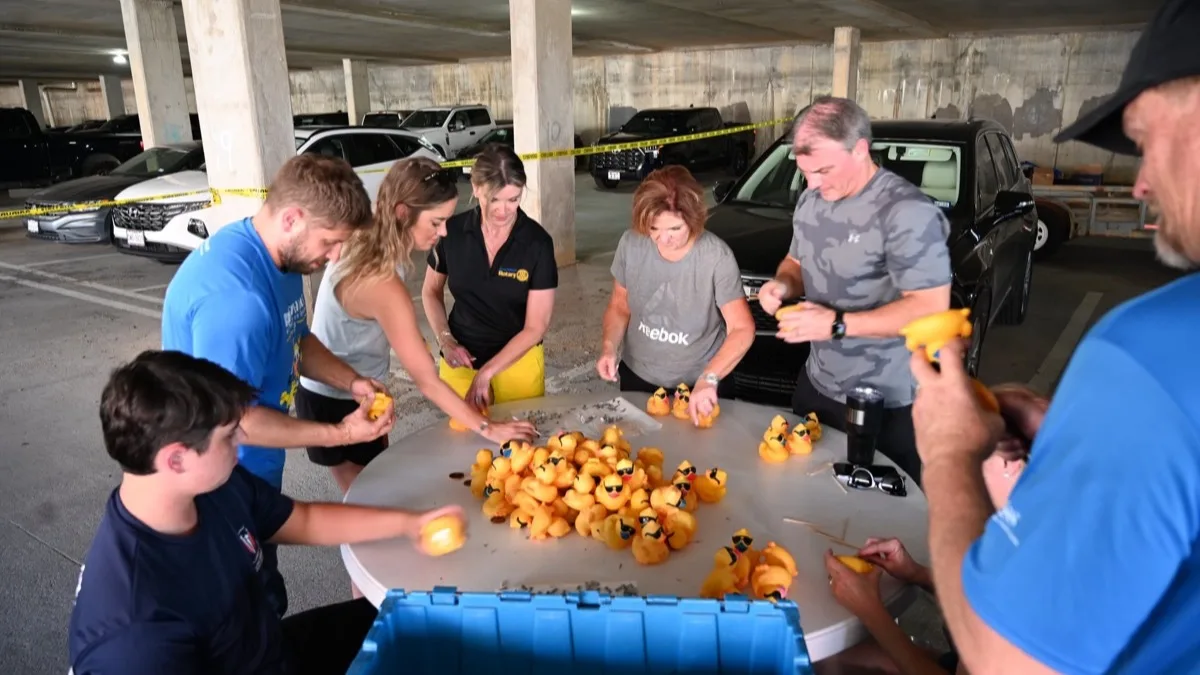
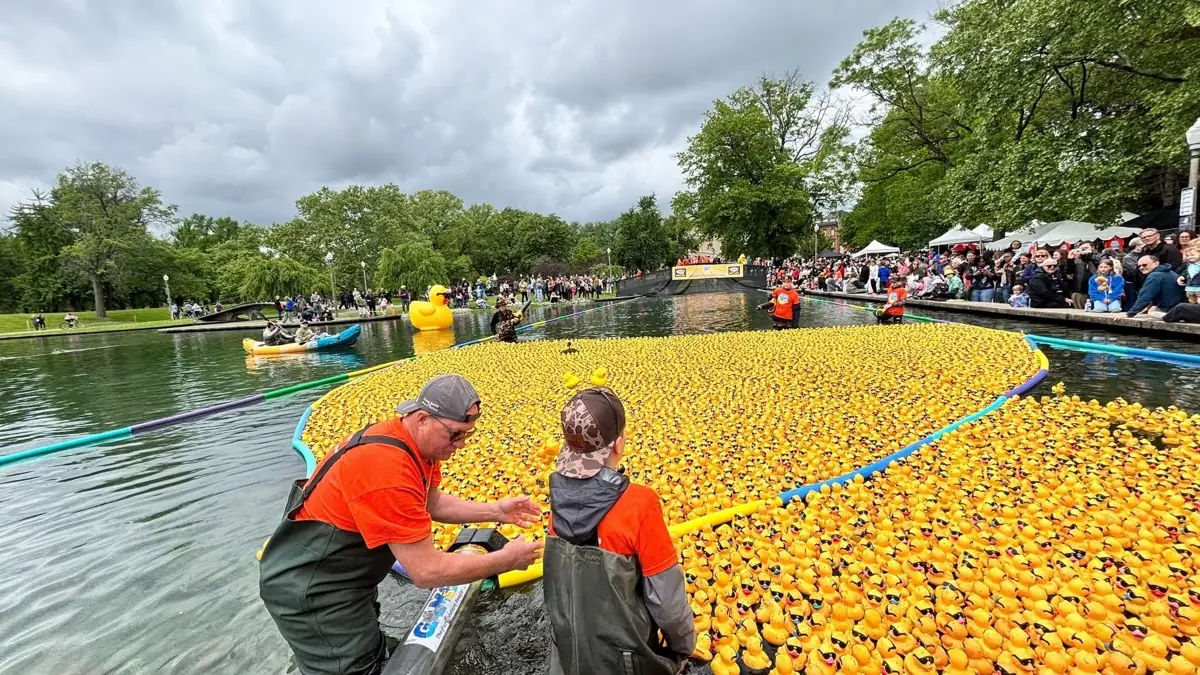
The race-day plan that keeps a duck race running smoothly: crew roles, setup order, the drop, retrieval, and the calls worth making before you need to.
Sponsor tiers, creative add-ons, and the ask that actually works: how to line up the local business sponsors most partners use to fund a duck race up front.
Size your duck race from the revenue goal, not the duck count. At $5 a duck and a $50 average adoption, a 5,000-duck race needs about 500 people.
A ranked list of 18 fundraisers by what your group actually keeps. Typical net range, upfront cost, and volunteer load for every single one.
Ten fundraisers for Rotary, Kiwanis, and Lions clubs ranked on sponsor strength, member hours, and whether they survive a yearly change of officers.
Fourteen genuinely different fundraisers with real numbers: how each one works, what it costs, what it nets, and which organizations it actually fits.
Silent auctions cost more in volunteer hours than anyone counts. A head-to-head look at procurement, checkout, and margin against a duck race.
Real duck race pricing: packages from $8,950 to $32,500, plus permits, insurance, and prizes. Includes the break-even math at $5 per duck.
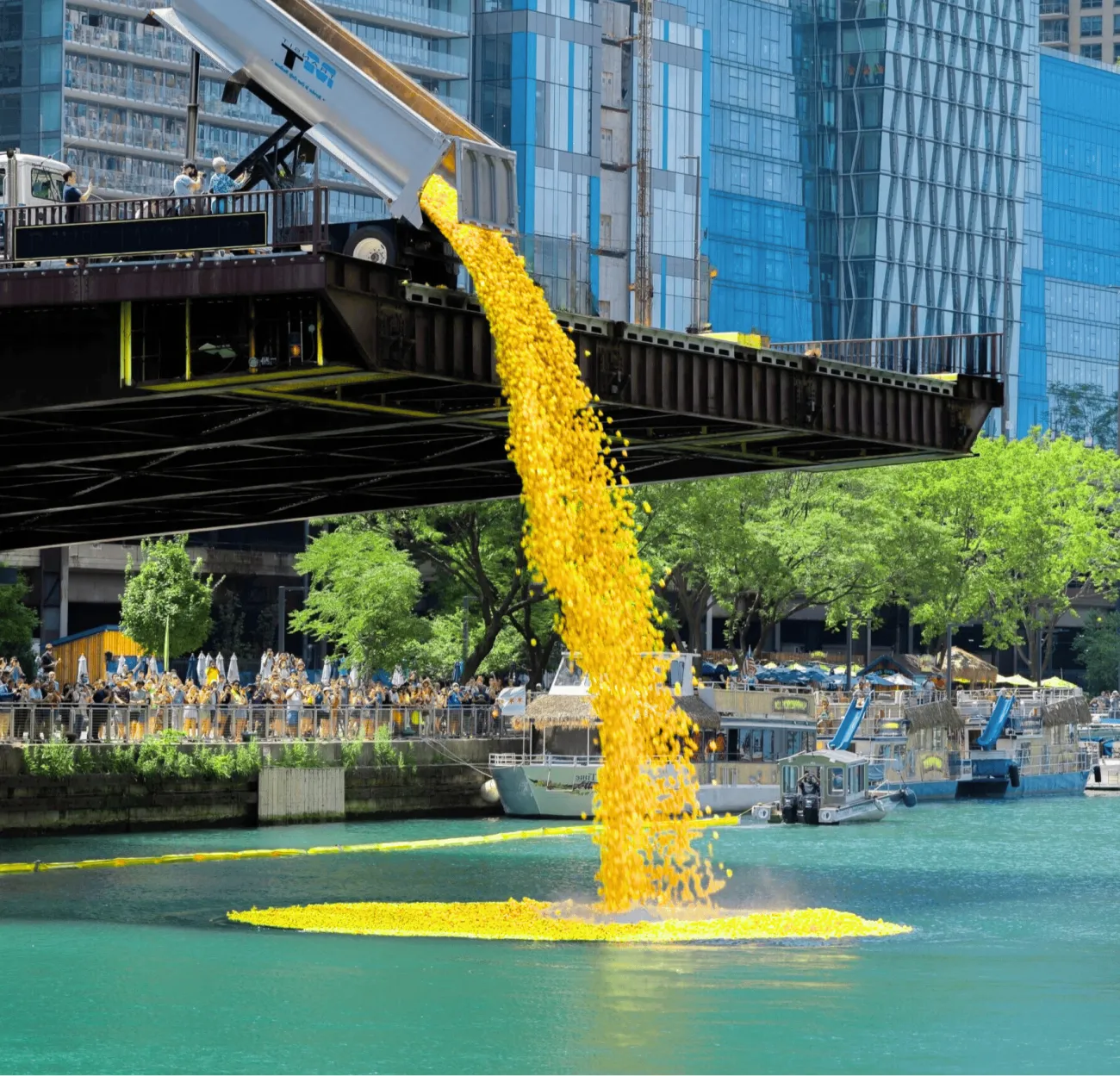
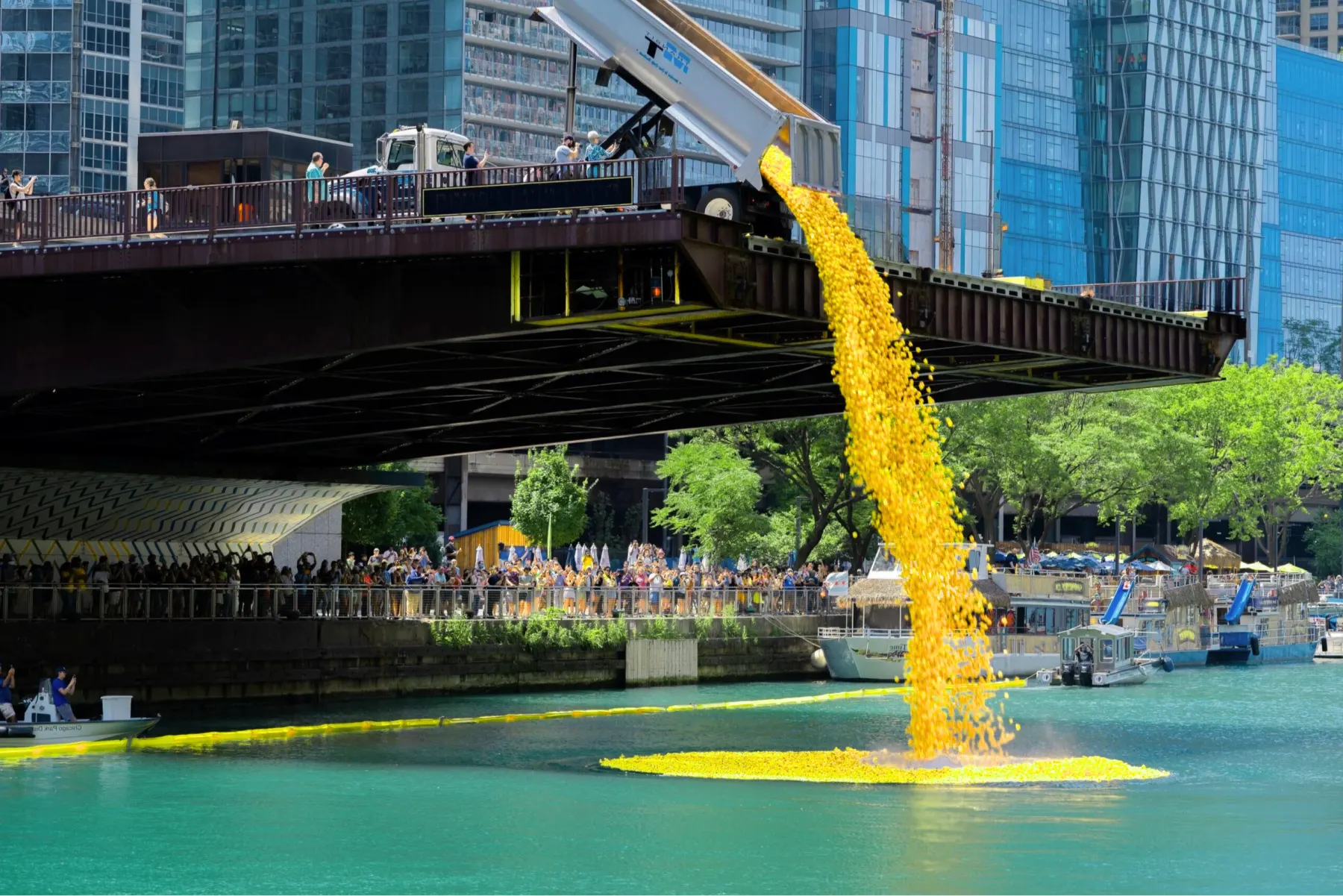
Reported results from duck races we run, from $30,000 a year in Tampa to six figures in Chicago, plus a method for estimating what yours would raise.
An honest comparison of duck races and gala dinners: what each commits you to, how many people each can reach, and which one fits the goal you actually have.
Duck race vs. 5K fundraiser: the per-runner costs that scale with signups, participation barriers, weather risk, and when a 5K is still the better event.
Nine fundraisers compared on upfront cost, risk, volunteer hours, reach, and revenue ceiling, plus a straight answer on which one fits your situation.
A rundown of the Derby Duck fundraising events taking place in August, from the Chicago Ducky Derby to the Gwinnett Duck Derby and several races in between.
How to rally local businesses, schools, families, and media behind your duck race fundraiser so the whole community feels ownership of the event.
Duck race vs. golf tournament: real costs, the golfer ceiling, sponsor concentration, weather risk, and the organizations that should keep their tournament.
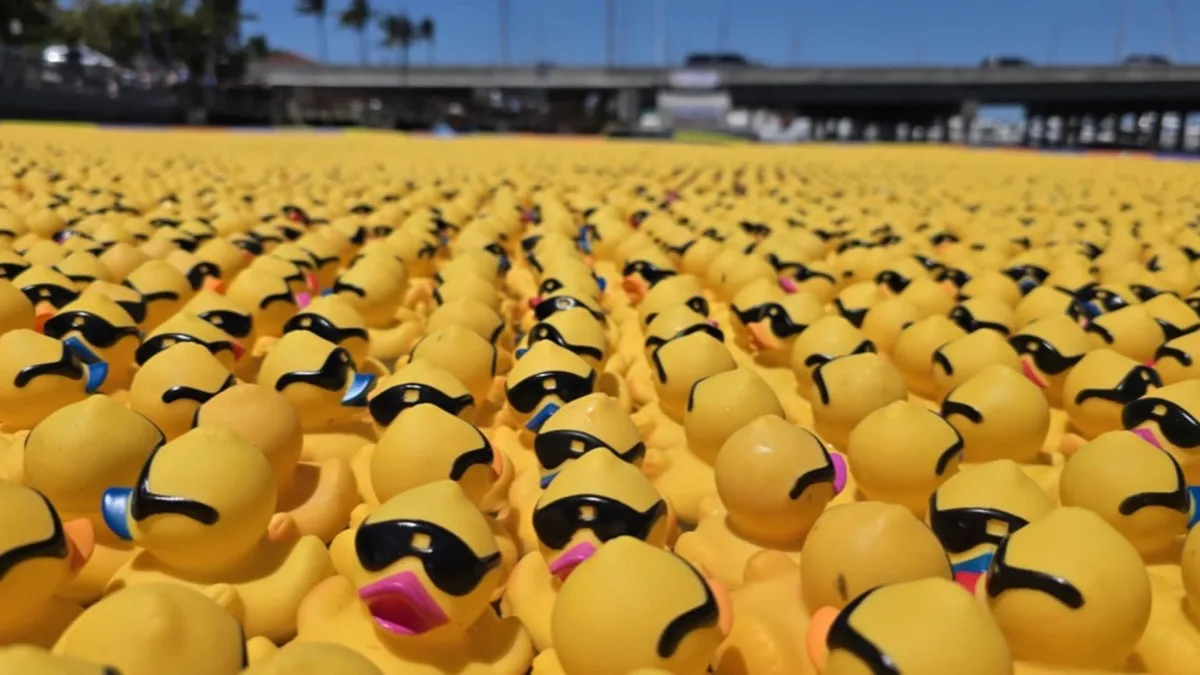
The 3rd Annual Incredible Duck Race by the Kiwanis Club of Tampa sends 15,000 rubber ducks down the Hillsborough River to benefit local children's programs.
The 2017 duck race season closes with 23,000 ducks racing in Glendale, CA and Jasper, GA for the Kiwanis Incredible Duck Splash and Great 515 Duck Derby.
The Rotary Club of South Gwinnett County races 5,000 ducks down a water park slide on September 9, 2017, with a $2,500 grand prize benefiting Gwinnett kids.
Over 40,000 ducks race on August 19, 2017 across three nonprofit events in Texas, Nebraska, and Idaho, with car and cash grand prizes up for grabs.
Cedar Rapids Daybreak Rotary hosts a 15,000-duck race on June 17 supporting local youth organizations, with a $10,000 grand prize.
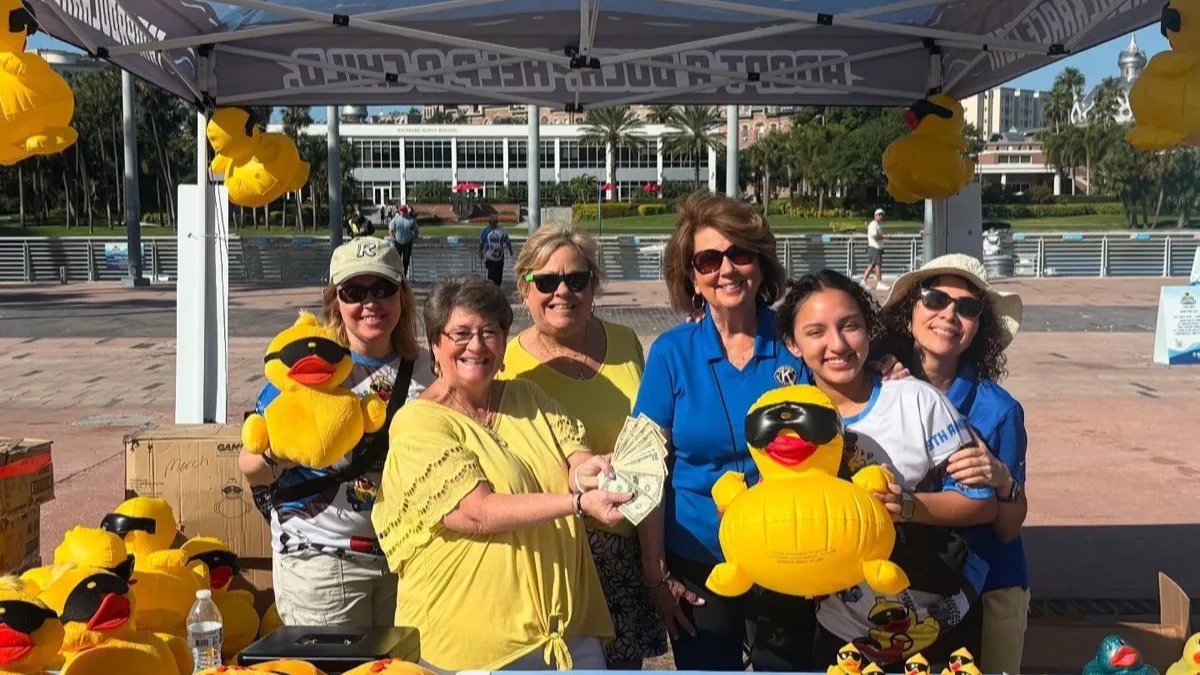
Rotary, Kiwanis, Lions, Sertoma, and other service clubs use duck races as a signature community fundraiser that members can rally sponsors and teams around. Supporters adopt ducks online, local businesses sponsor the event, and the club hosts a public race that becomes a yearly tradition. Derby Duck Races handles the race website, the ducks, the marketing, and the logistics, while your club owns the local relationships that make race day feel like your town’s event. The guides above cover sponsorship, volunteers, and growing a club duck race year over year.